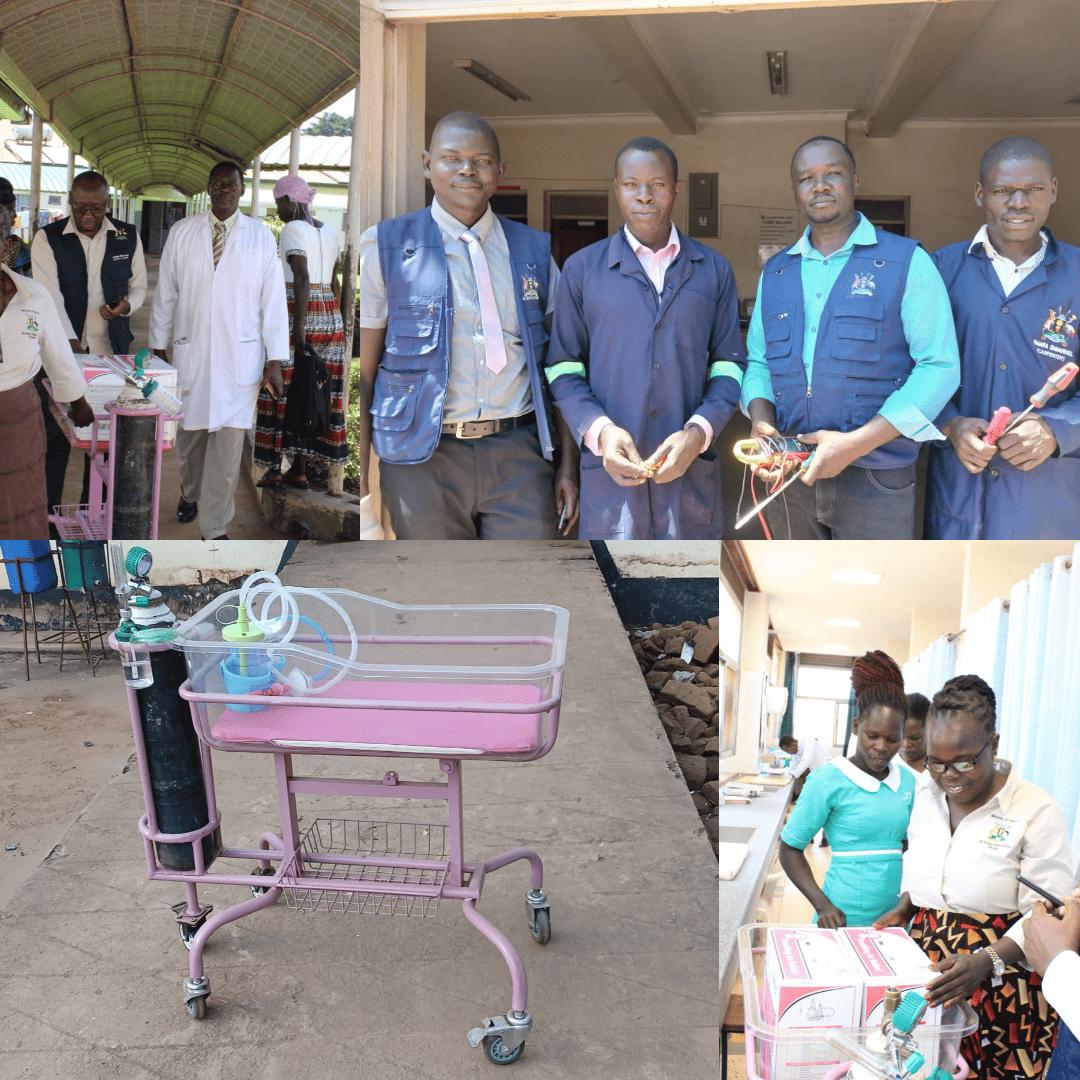

Lira, Uganda – August 27, 2026 – In a significant boost to neonatal care in the region, the Engineering Department of Lira Regional Referral Hospital (LRRH) has designed and handed over an innovative "Baby Transporter" machine aimed at reducing neonatal mortality rates.
The custom-built transporter, officially handed over on Wednesday, is specifically designed to safely move premature and critically ill neonates from the labour suite and theatre to the Neonatal Intensive Care Unit (NICU). The device is fitted with CPAP oxygen cylinders, ensuring that vulnerable babies maintain required oxygen levels during the transfer, thereby preventing life-threatening dips in saturation.

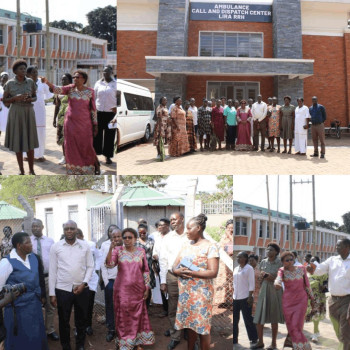
The handover ceremony took place at the hospital premises, where Eng. Phillip Ddungu, the Head of the Engineering Department, presented the machine to the Senior Consultant Paediatrician, Dr. William Oyang.
“This equipment was developed to bridge a critical gap in our referral chain,” said Eng. Ddungu. “We are currently fitting the transporter with temperature monitors and other vital ICU equipment. This will enhance the continuous monitoring and management of neonates, ensuring they arrive at the NICU in a stable condition.”
The innovation has been met with widespread praise from the medical staff. Dr. Oyang noted that the transporter will significantly improve the prognosis of newborns by preventing complications such as brain damage that often occur when babies are moved without adequate respiratory support.
“This is a game-changer for our department,” said Dr. Oyang. “The continuity of care this device provides is crucial. It ensures that the intensive care starts the moment the baby leaves the theatre, not just when they arrive at the NICU.”
Echoing this sentiment, Sr. Betty Apio, the In-charge of the Labour Suite, highlighted the historical challenges the unit has faced in transferring fragile babies. "For a long time, moving a premature baby from the labour suite to the NICU was a high-risk activity. This new innovation makes the process easier, safer, and more efficient. It reduces the anxiety of the staff and the risks associated with manual transportation."
The development comes at a crucial time for the hospital. LRRH admits an average of 1,100 neonates annually, underscoring the urgent need for robust infrastructure. This innovation also follows the recent upgrade of the hospital’s NICU to a Level III facility in June 2026, which expanded its capacity to handle the most complicated neonatal cases.
The Baby Transporter project highlights LRRH’s commitment to strengthening healthcare delivery through locally developed, practical solutions. By utilizing internal expertise, the hospital has demonstrated a sustainable model for improving patient safety and outcomes.