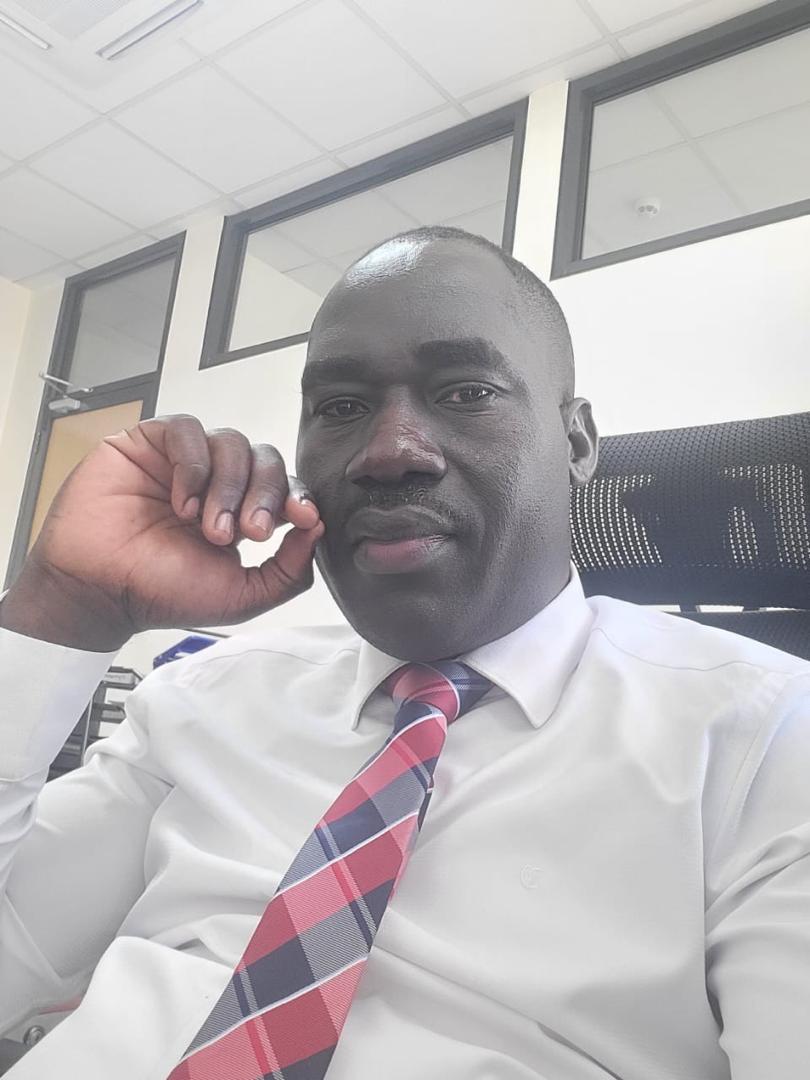
Lango Region, Uganda – As the dust settles on the recent swearing-in ceremonies of Members of Parliament across Uganda, a former parliamentary aspirant for Otuke Constituency has issued a sobering reflection on the state of the country's democratic culture — and a bold challenge to leaders in the Lango sub-region.
In a widely circulated opinion piece titled "Politics Beyond Victory: A Call for Inclusive Leadership and Development in Lango," Mr. Tonny Opio-Opio observed what he termed a troubling silence: not a single MP, across the celebrations he witnessed, publicly invited or acknowledged the opponents they had contested against.
"To many, this may seem normal in our politics," Opio-Opio writes. "But to some of us who deeply care about the future of democracy, unity, and development in our communities, this silence between political competitors raises important questions about the direction our politics is taking."
The former aspirant argues that the post-election period demands a fundamental shift in mindset. Campaigns, he notes, are contests of ideas and influence. But once results are declared, leaders must rise above divisions and serve everyone — including those who voted differently.
"When political opponents are treated as enemies rather than partners in community transformation, the greatest victims become ordinary citizens," Opio-Opio warns. He lists the consequences: communities divided along political lines, supporters inheriting hostility from leaders, development initiatives becoming politicized, and talented citizens — simply because they backed the "wrong" side — becoming isolated from contributing to progress.
"This weakens social cohesion and slows development," he states bluntly.
Drawing on the historical struggles of the Lango sub-region, Opio-Opio reminds leaders that poverty, youth unemployment, poor road networks, limited industrial investment, weak health systems, and education challenges do not discriminate between ruling-party and opposition supporters.
"These problems affect all our people equally," he writes. "For this reason, politics must never become more important than development."
He calls for what he describes as democratic maturity: the ability to disagree politically while remaining united in service to the people. "A political opponent should never become a permanent enemy," he insists, adding that many former opponents possess valuable ideas, networks, expertise, and connections that can help improve communities.
Despite having lost his own bid for Parliament, Opio-Opio makes clear that he does not believe losing an election means losing the responsibility to serve.
"Leadership is not confined to Parliament alone," he writes. "True leadership is about influence, ideas, sacrifice, and commitment to community transformation."
He therefore issues an open call to all elected leaders across Lango — regardless of party affiliation — to open doors for inclusive engagement over the coming five-year term. He urges collaboration with religious institutions, cultural leaders, civil society organizations, professionals, youth and women leaders, investors, and even former political opponents.
In a passage that cuts to the core of his argument, Opio-Opio reminds leaders and citizens alike:
"Roads built in Otuke will serve everyone.
Schools built in Lango will educate everyone.
Hospitals improved in our communities will treat everyone.
Investment opportunities created in our region will benefit everyone."
"This is the spirit our politics must embrace," he declares.
The former aspirant also addresses his own supporters and the people of Otuke directly, encouraging them to reject politics of bitterness and personality conflicts, and instead promote issue-based politics. He urges citizens to support leaders when they do right — and hold them accountable respectfully when they fall short.
He envisions the next five years not as "years of permanent campaigns, insults, and political revenge," but as years of preparing a stronger political culture for 2031 — one built on unity, inclusion, accountability, and development-centered leadership.
"History remembers leaders not merely for defeating opponents, but for building communities," Opio-Opio concludes. "The future of Lango will not be built by one MP alone, one party alone, or one individual alone. It will be built collectively. And that journey must begin now."
Mr. Tonny Opio-Opio contested for the Otuke Constituency parliamentary seat in the recent election cycle. While he did not emerge victorious, his post-election reflection has struck a chord among civil society actors and citizens who fear that Uganda's winner-takes-all political culture is undermining long-term development and social cohesion in the Lango sub-region.
As the new parliamentary term gets underway, Opio-Opio's challenge hangs in the air: Will Lango's leaders prove that politics can be about more than victory — or will division continue to come at the expense of the people they were elected to serve?