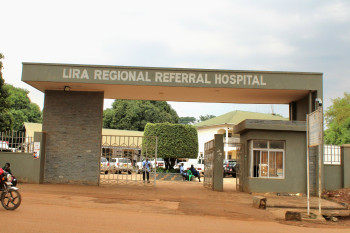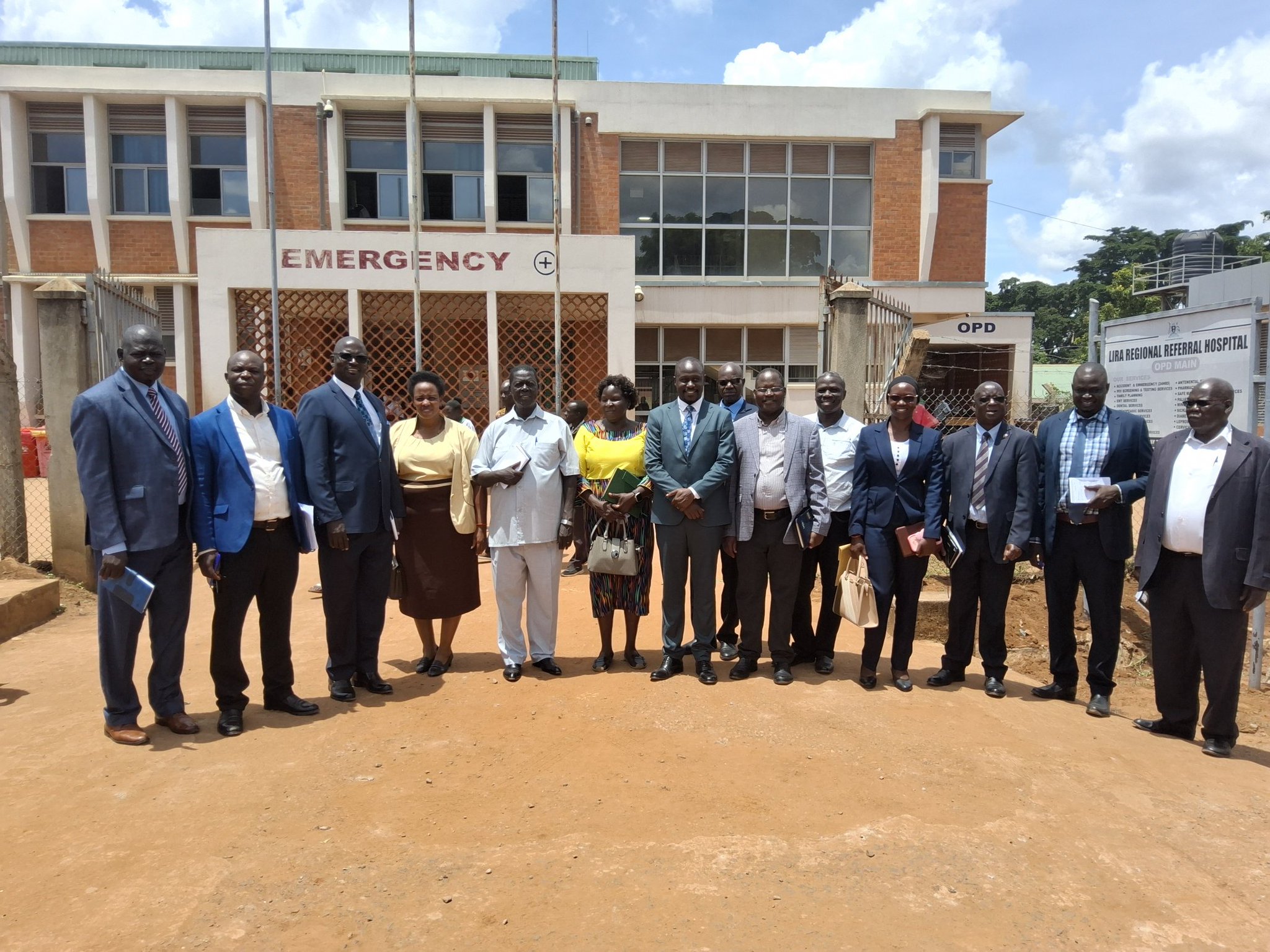
LIRA – Gulu Regional Referral Hospital (GRRH) has commended the leadership of Lira Regional Referral Hospital (LRRH) for what it termed a remarkable transformation in healthcare service delivery, following a benchmarking visit on Monday, March 30, 2026.
The delegation from Gulu, led by Board Chairperson Dr. Paul Onek Awil, toured several key units at the Lira facility, including the SANAS-accredited satellite laboratory, the dialysis unit, the intensive care unit, the accident and emergency unit, and a newly established 45-bed capacity gynecology ward.
The visit marked the third such benchmarking exercise at Lira Regional Referral Hospital in the past month, following similar visits by Kabale and Jinja Regional Referral Hospitals.
Speaking after the tour, Dr. Onek Awil praised Lira’s progress in patient care, diagnostics, infrastructure, and human resource management, noting that the facility had set a strong example for peer institutions.
"While Lira and Gulu operate at the same level, we have consistently received reports of Lira’s outstanding performance. Our visit has confirmed these achievements, as the level of activity and service delivery here is remarkable," Dr. Onek Awil said.
He explained that the benchmarking visit was intended to help Gulu Regional Referral Hospital identify best practices in governance, partnerships, planning, and service delivery that could be adapted to improve healthcare outcomes in the Acholi sub-region.
Dr. Morris Ojara, who represented the Director of Gulu Regional Referral Hospital, noted that Lira was selected based on Ministry of Health performance data, which ranks it among the top-performing hospitals in the country.
"We have come to learn from what is working. The systems in place here—from the laboratory accreditation to the organization of emergency services—are lessons we intend to take back," Dr. Ojara said.
Lira Regional Referral Hospital Director, Dr. Andrew Odur, described the visit as a vote of confidence in the facility's ongoing transformation, which he attributed to a focus on patient-centered care, timely service delivery, cleanliness, and accountability.
"This visit is a vote of confidence in the progress we are making. It also challenges us to sustain and continuously improve the high standards we have set," Dr. Odur said. "Knowledge sharing among institutions is essential, as even small innovations can significantly improve service delivery."
The delegation’s visit underscores a growing culture of peer-to-peer learning among regional referral hospitals, facilitated by the Ministry of Health’s emphasis on performance benchmarking as a tool for elevating healthcare standards across the country.