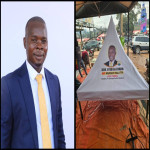
LIRA, UGANDA – What began as a violent confrontation during the height of the Lango cultural conflict has ended not with a prison sentence, but with an embrace.
On November 1, 2024, Ambassador Dickson Ogwang Okul’s Toyota Highlander (UBD 315D) was caught in the fray of heightened ethnic tensions in Lira City. Phillip Agile Jakayo was accused of maliciously damaging the vehicle, an act that landed him on remand at Lira Prison. To outside observers, the case appeared straightforward: a crime, an accused, and a clear path to legal accountability.
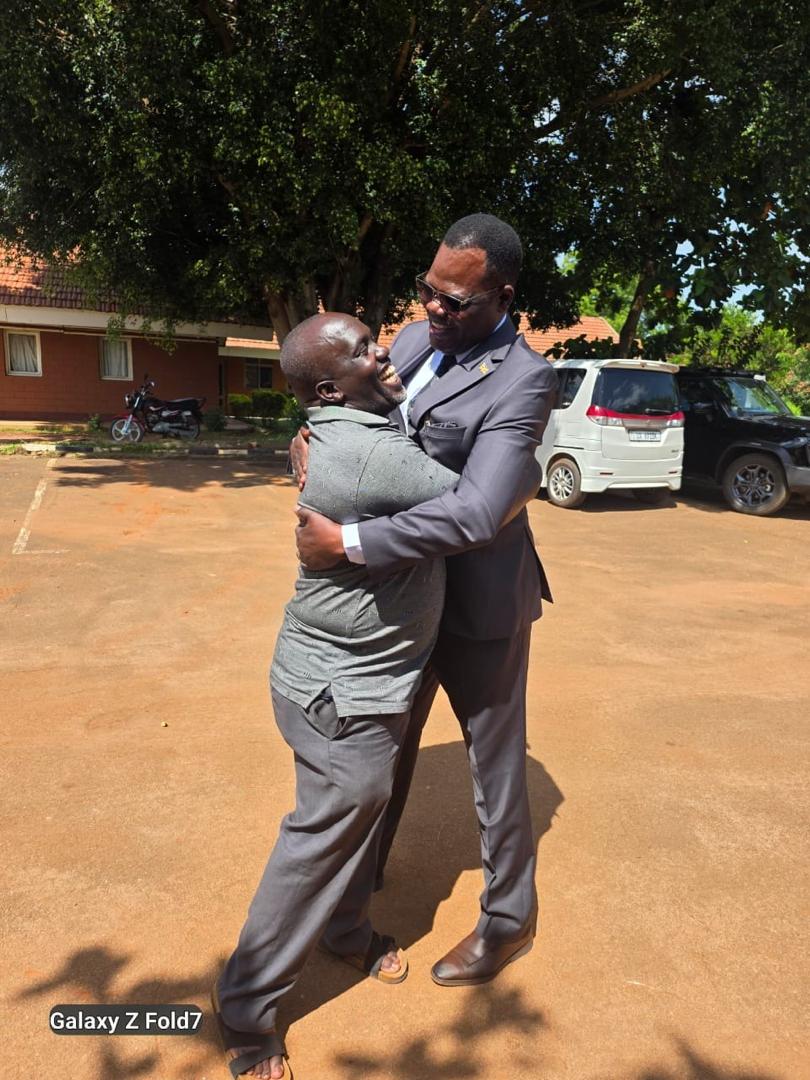
But before the first gavel could fall in court, Ambassador Ogwang who also serves as the Awitong Palacol (traditional leader) and Uganda’s Ambassador to Sudan chose a radically different path.
He forgave Phillip. And not only Phillip, but every individual involved in the subsequent personal attacks he endured during a volatile meeting at the Lango Cultural Centre.
“This was not a negotiated peace,” Ambassador Ogwang said in a statement following the reconciliation. “It was unearned, unmerited, and unsolicited.”
For over a year, that decision shaped the background of an unresolved story until Saturday, April 18, 2026, when the journey came full circle.
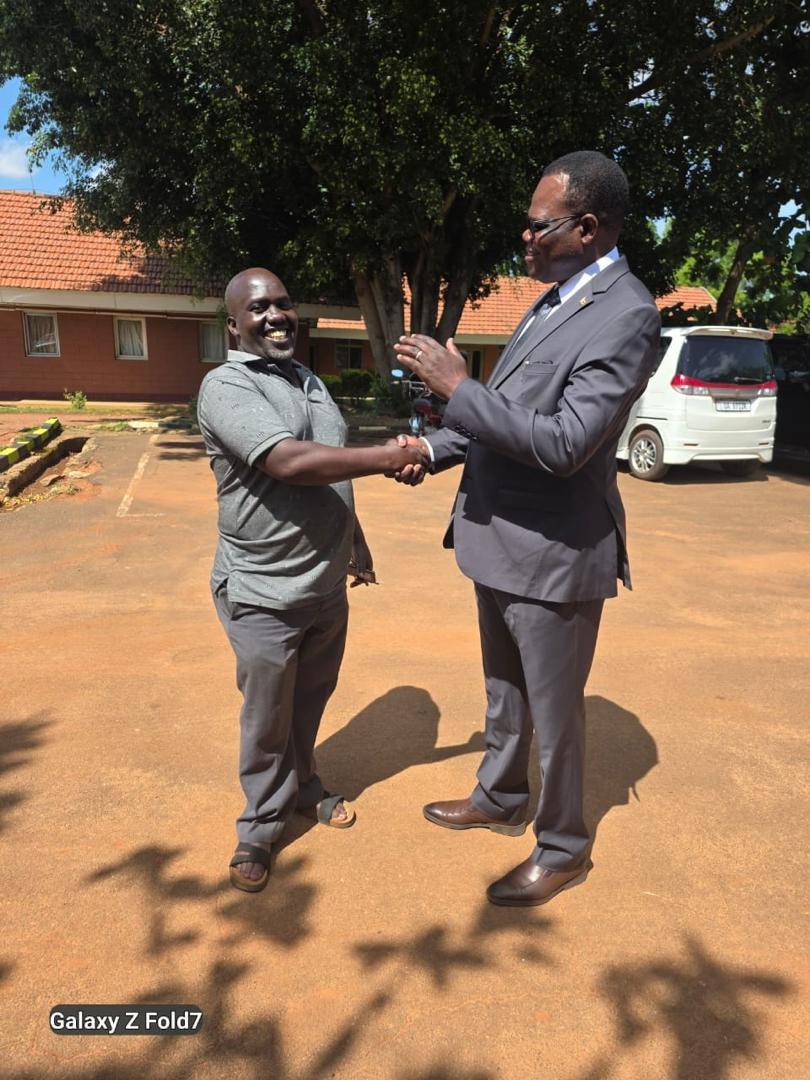
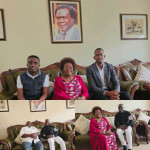
Shortly before a scheduled meeting with H.E. the President at Lira Hotel, Ambassador Ogwang came face-to-face with Phillip Jakayo. There were no demands for repayment. No re-litigation of the damage. Instead, the two men cemented their commitment to reconciliation in what the Ambassador described as “the power of tangible presence.”
“We did not speak of the damage or the debt,” Ogwang noted. “We simply chose to restore what conflict had broken.”
In reflecting on the decision, Ambassador Ogwang offered a framework for leaders navigating conflict, which he called Relational Wisdom:
1. Forgiveness as a Proactive Choice
“Waiting for an apology is a form of emotional bondage,” he said. “Unsolicited forgiveness is the ultimate act of liberation. You choose to heal, even if the other person isn’t ready to ask for it.”
2. The Weight of the Heart
“The true measure of a leader is not found in the titles they hold, but in the size of the heart they carry,” Ogwang continued. “If your heart is too small to forgive, it is far too small to lead.”
3. The Power of Tangible Presence
While forgiveness can happen internally, he argued, reconciliation is finalized through physical presence. “It is in that face-to-face encounter that we strip away the labels of ‘adversary’ or ‘accused,’ transforming a cold legal resolution into a warm, enduring human connection.”
As Uganda continues to navigate complex cultural and political tensions, Ambassador Ogwang’s choice stands as an unusual counterpoint to the country’s often adversarial justice system. By declining to prosecute, he did not abandon accountability—he redefined it.
“True leadership is not defined by the power to prosecute, but by the capacity to restore,” he said. “Leaders must possess large hearts—the expansive emotional and spiritual room required to house the pain of an offense without letting it fester into bitterness. When we hold onto grievances, we remain tethered to the past. When we forgive, we reclaim the future.”
As of Saturday evening, no further legal action is pending against Phillip Jakayo. Instead, both men left Lira Hotel having done something far rarer than winning a court case: they walked out as neighbors, not adversaries.