
Boston, Massachusetts — September 21, 2026 — The 2026 Global Health Catalyst (GHC) Summit, founded by Prof. Wil Ngwa at Harvard in 2015, concluded September 21 following four days of dialogue, scientific exchange and partnership-building among global health leaders, government officials, diplomats, First Ladies, physicians, researchers, academics, industry leaders, advocates, philanthropists, diaspora leaders and young professionals.

Held September 18–21 at Harvard and MIT in the Boston area, the Summit centered on the theme “Catalyzing Win-Win Collaborations for Global Health and Development.” Discussions explored how stronger international partnerships can help address persistent gaps in cancer care and global health, with particular attention to innovative financing, artificial intelligence, health equity, research, education, workforce development and community engagement.
Across the four days, a consistent message emerged: scientific innovation alone will not close global health disparities. Progress also requires innovation in how health systems are financed, how knowledge is shared, how professionals are trained, how communities are engaged and how partnerships are translated into measurable action.
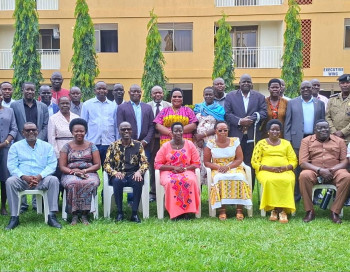
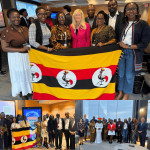
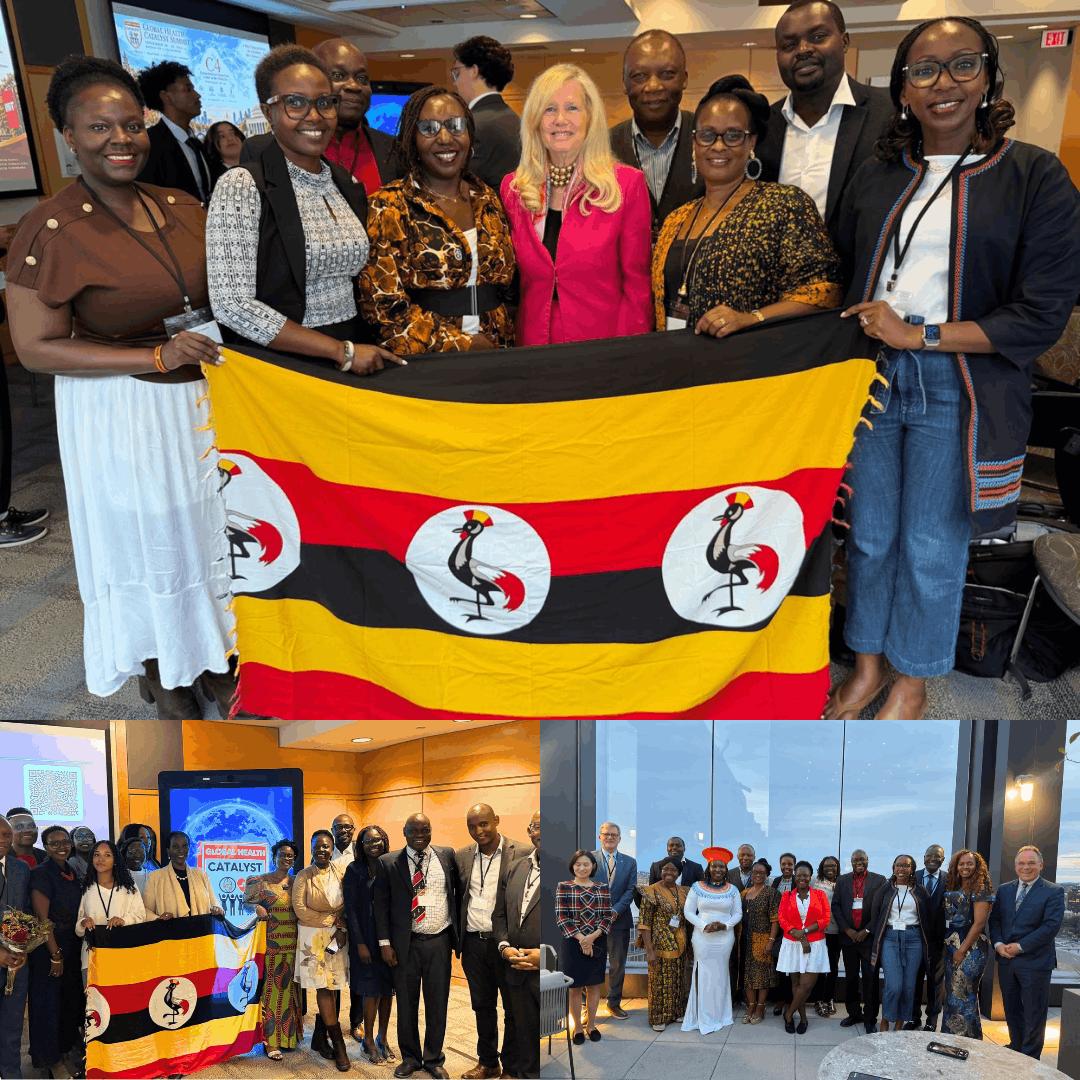
Uganda had a strong presence at the 2026 Summit, reflecting the country's growing engagement in international partnerships focused on cancer care and innovative health financing.
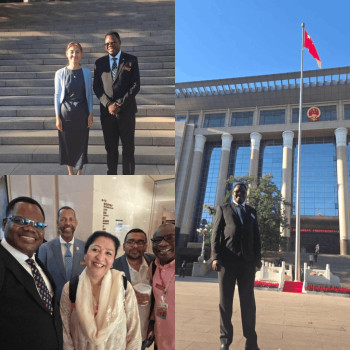
H.E. Robie Kakonge, Ambassador of the Republic of Uganda to the United States, contributed Uganda's perspective to discussions on international cooperation, country-led partnerships and sustainable financing for cancer care. Uganda was highlighted as an early pilot country for the Global Cancer Financing Platform, an initiative designed to connect financing and global partnerships with measurable cancer-care priorities.
Discussions around the Uganda pilot focused on how innovative financing, government leadership, international partnerships and diaspora engagement can work together to strengthen cancer prevention, screening, treatment and health workforce capacity. Priorities under development include cervical cancer screening, breast cancer screening and oncology nursing, with financing linked to independently verified delivery.
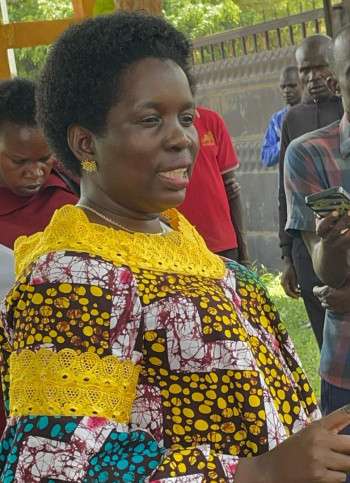
Ugandan diaspora leaders also participated actively in the Summit, bringing an important community perspective to the global cancer financing conversation. Vivian Kobusingye Birchall, GHC Director of Communications and Media and CEO of Health Care Blind Spots, helped lead outreach to Ugandan diaspora organizations and community leaders, expanding their participation in discussions about how diaspora networks can contribute knowledge, relationships, advocacy and resources to global health initiatives.
Their participation demonstrated the potential for diaspora communities to serve as a bridge between countries of origin and the institutions, expertise, technology and investment opportunities available internationally.
Moving Global Health Financing Toward Implementation
The Summit placed significant emphasis on moving conversations about global health financing toward practical implementation.
The Global Cancer Financing Platform and Global Health Bond eXchange (GLOHBX) were presented as approaches for connecting capital and international partnerships with measurable health outcomes. Uganda's pilot provided a practical context for examining how governments, diaspora organizations, philanthropic institutions, health systems and other partners can collaborate around clearly defined cancer-care priorities.
The broader discussion reflected an important shift in global health: from asking only how much funding can be mobilized to examining how financing can be connected to measurable improvements in people's access to care.
Another major focus of the Summit was the continued development of the Comprehensive Cancer/Care Center in the Cloud (C4), an AI-enabled global collaboration model organized around four interconnected areas: Care, Advocacy and Outreach, Research, and Education.
C4 is designed to connect health institutions, clinicians, researchers, educators, advocates and communities across geographic boundaries. Rather than replacing existing health systems, the model seeks to strengthen them by making expertise, education, research collaboration and other resources more accessible across institutions and countries.
The concept connected several of the Summit's major themes: artificial intelligence, workforce development, international collaboration, research, education and community engagement.
The participation of H.E. Fatima Maada Bio, First Lady of Sierra Leone and President of the Organization of African First Ladies for Development (OAFLAD), highlighted the role that political, community and public leadership can play in advancing women's health, girls' rights and broader health and development priorities.
Her participation formed part of the Summit's First Ladies Collaboration Catalyst, which explored how First Ladies and other influential leaders can help mobilize governments, civil society, academia, philanthropy, faith organizations and international partners around shared health and human-development goals.
The discussions demonstrated how high-level advocacy can help elevate issues affecting women and girls while connecting national priorities with broader regional and international partnerships.
Women's health was reinforced throughout the Summit as an essential component of global health and development.
Rear Admiral Susan J. Blumenthal, M.D., M.P.A. (Ret.), former U.S. Assistant Surgeon General and former First Deputy Assistant Secretary for Women's Health, brought a perspective emphasizing prevention, women's health, innovation and international cooperation.
Her participation reflected a broader message across the Summit: improving health outcomes requires looking beyond individual diseases to the social, economic, technological and health-system conditions that determine whether people can access prevention, diagnosis, treatment and long-term care.
Education and workforce development were central to discussions about building sustainable health systems.
The Summit highlighted international research collaborations, the AMPERE fellowship initiative, Global Oncology University and other approaches to preparing the next generation of cancer researchers, clinicians, medical physicists and global health professionals.
These initiatives reflect a longer-term goal of strengthening institutional capacity so that countries can develop and sustain their own cancer-care, research and educational infrastructure while remaining connected to international networks of expertise.
Young professionals and emerging global health leaders were also given opportunities to present their work, participate in discussions and build relationships with established researchers, clinicians, policymakers and institutions.
Artificial intelligence and emerging technologies were among the defining themes of the Summit.
Through C4 and related initiatives, Global Health Catalyst is exploring how technology can help institutions and professionals collaborate across borders in care, research, education and advocacy. The objective is to expand access to specialized knowledge and global collaboration, particularly for communities and health systems that may not have the resources available at major academic medical centers.
The Summit also explored emerging areas including quantum medicine, with discussions examining how advances in imaging, computing and medical technology could contribute to future approaches to diagnosis and treatment.
These conversations were framed not simply around technological advancement, but around a larger question: how can innovation become more accessible to the people and health systems that need it most?
Whole-Person Health and Community Engagement
Technology and financing were balanced by another important Summit theme: health does not begin or end within hospitals.
Sessions addressing whole-person health, faith-based organizations, diaspora communities and community engagement explored how social, cultural, spiritual and economic factors influence people's health experiences and outcomes.
The discussions emphasized that sustainable global health programs require partnerships extending beyond hospitals, universities and laboratories. Families, community organizations, faith leaders, civil society, patient advocates and diaspora networks all have important roles in building trust, sharing information and connecting people with care.
The participation of African leaders, diplomats, researchers, clinicians and health professionals underscored Africa's significant role in the global cancer-control conversation.
The Summit connected priorities identified by African institutions and governments with partners in the United States and other regions, opening opportunities for collaboration in cancer financing, workforce development, research, technology, prevention, early detection and equitable access to treatment.
For Uganda, the Summit provided another opportunity to strengthen relationships surrounding its emerging role in the Global Cancer Financing Platform pilot while expanding engagement with the country's diaspora and international partners.
More broadly, the discussions emphasized a model of global health collaboration in which countries and institutions are not simply recipients of solutions developed elsewhere, but active partners in defining priorities, building programs and shaping innovation.
The Summit concluded with a forward-looking emphasis on sustaining collaborations beyond the four days in Boston.
Organizers highlighted the “Road to Libreville 2027,” connecting the momentum of the 2026 Summit with future Global Health Catalyst activities in Gabon and the continued expansion of international partnerships.
The message emerging from Boston was clear: meaningful progress in global health requires more than individual institutions working independently. It requires sustained collaboration among governments, universities, hospitals, researchers, technology companies, financing institutions, philanthropies, civil society organizations, diaspora communities and patients.
As Global Health Catalyst moves toward its next phase, the focus is increasingly on translating relationships into measurable programs, financing mechanisms, research collaborations, educational opportunities, stronger health workforces and improved access to cancer care.
The 2026 Global Health Catalyst Summit reflected an evolution in the global health conversation — from exchanging ideas to building the partnerships, systems and infrastructure needed to turn those ideas into action.