
PADER, UGANDA — Fresh concerns over regional imbalance in Uganda's top government appointments have erupted in the Acholi Sub-region after President Yoweri Kaguta Museveni's latest reshuffle of Permanent Secretaries left the entire Greater North without representation.
The development has reignited a heated debate about whether Northern Uganda is being systematically sidelined in national leadership, particularly after the region secured only a handful of ministerial appointments—most of them at State Minister level.
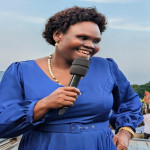
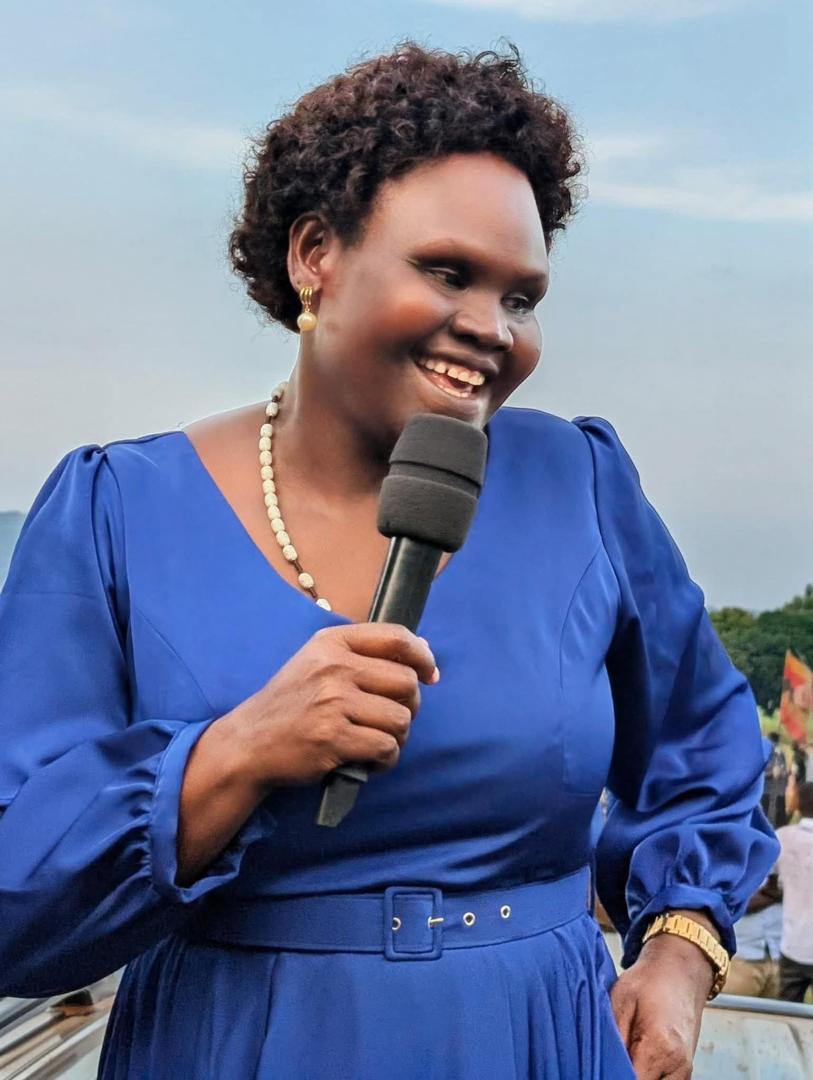
The concerns dominated a radio hard-talk discussion on WIPEM, broadcast Saturday on 92.4 Luo FM in Pader, where former Agago District Woman Member of Parliament, Hon. Akello Judith Franca, questioned the fairness of the country's leadership and resource distribution.
Franca argued that Uganda's Constitution guarantees equal treatment and opportunities for all citizens, insisting that regional balance should be reflected not only in government appointments but also in the distribution of national resources—including roads, health services, and education.
She noted that the Greater North—comprising Acholi, Lango, and West Nile—endured more than two decades of armed conflict that severely crippled its political, social, and economic development. According to her, the return of peace should be accompanied by deliberate government efforts to rebuild Northern Uganda and improve livelihoods so the region can catch up with the rest of the country.
She expressed deep disappointment that none of the eight districts in Acholi, nine districts in Lango, or the wider West Nile region had secured representation in the latest Permanent Secretary appointments.
The former legislator further questioned the region's limited representation in the security sector, particularly in senior positions within the Uganda People's Defence Forces (UPDF) and the Uganda Police Force.
Franca also criticised the apparent concentration of ministerial appointments at State Minister level, arguing that some of these positions lack sufficient budgetary authority and influence to address the region's development priorities. She warned that Northern Uganda risks losing its political voice and sense of direction if its leaders fail to push for meaningful representation in national decision-making structures.
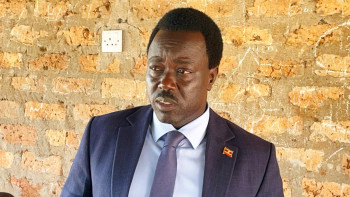
Political analyst Francis Ocheng warned that the absence of Greater North natives in influential government positions could deny the region critical development opportunities. He argued that individuals occupying senior government offices can sometimes help attract attention, influence policy decisions, and strengthen development linkages between their institutions and home communities.
Ocheng cautioned that without meaningful representation in strategic positions, Acholi and the wider Greater North could miss opportunities that other regions may benefit from through their influential representatives.
The discussion also drew strong reactions from listeners who called into the programme, with some expressing disappointment in their elected leaders whom they accused of failing to adequately defend the region's interests.
Damoi Okello, a resident of Pader Town Council, expressed concern that the younger generation in Acholi could face an uncertain future if regional development challenges and perceived discrimination continue without strong political intervention. He accused some elected leaders of misleading the population instead of speaking openly about the region's challenges and demanding accountability from government.
Another caller, Francis Adilang, argued that Acholi had lost its political influence, adding that there appeared to be no strong leader willing to openly champion the region's interests at the national level.
The debate has once again brought the question of regional balance in Uganda's public appointments into the spotlight, particularly regarding representation in strategic government institutions.
While government appointments are constitutionally vested in the relevant appointing authorities and must consider competence and other applicable requirements, concerns raised by participants point to a wider public debate about inclusion, national unity, and equitable development.
For many residents of Acholi and the wider Greater North, the central question remains whether the region's contribution to national development—and its painful history of conflict—are being adequately considered in the distribution of leadership opportunities.
As the debate continues, residents are calling on their elected representatives to move beyond political assurances and provide a stronger, coordinated voice on regional representation, public investment, and the future of Northern Uganda.